


the divine descent and spiritual essence of ganga
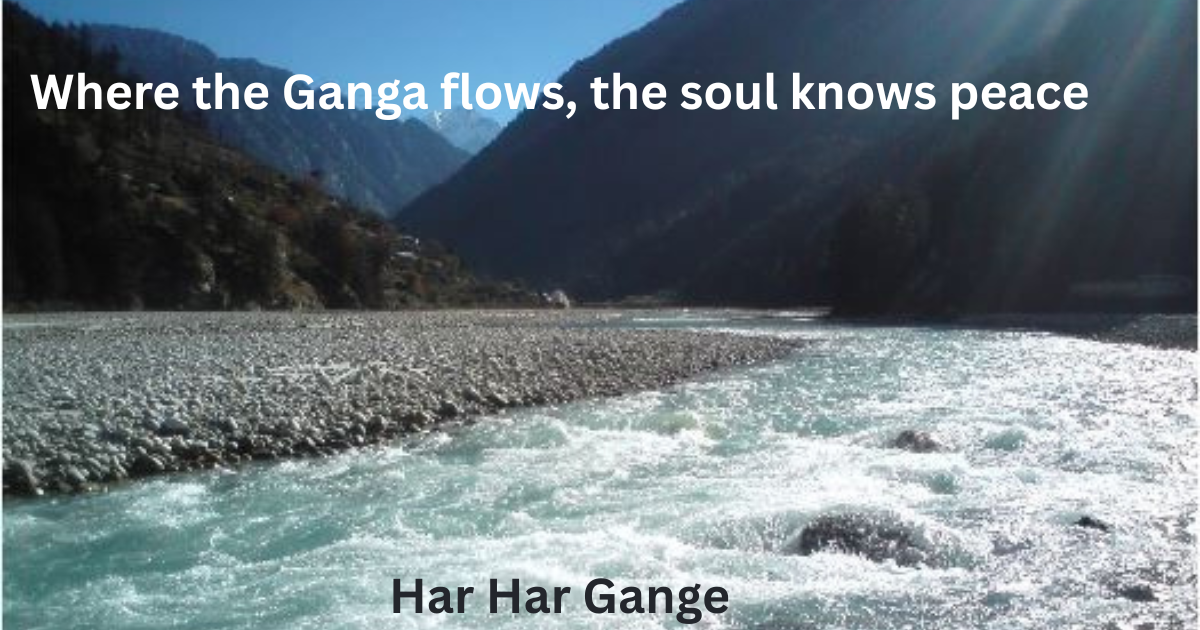
Discover the powerful mythology of the Holy Ganga, her divine descent, spiritual legacy, and why she’s worshipped as a goddess in Hinduism.
Part 1: The Divine Descent and Spiritual Essence of Ganga
Introduction
The Holy Ganga and its mythology story is a sacred narrative deeply embedded in the soul of Indian spirituality. Revered not only as a river but as a divine mother, Ganga holds immense significance in Hinduism. Flowing from the icy glaciers of the Himalayas down to the fertile plains of India, she is the spiritual lifeline of millions. The Holy Ganga and its mythology story is not merely folklore—it is a symbol of purity, liberation, and devotion.
From ancient scriptures to modern rituals, the Holy Ganga and its mythology story echoes through every chant and offering made along her banks. Her tale—of celestial origins, dramatic descent to earth, and eternal flow—is as mesmerizing as the river herself. In this article, we dive deep into the Holy Ganga and its mythology story, exploring her divine origin, her descent through Lord Shiva’s locks, and the profound spiritual impact she continues to have on humanity.
Origin of the Ganga River in Hindu Mythology
The origin of the Ganga River in Hindu mythology begins in the celestial realms. According to the Vedas and Puranas, Ganga was not always a river flowing through India. She was originally a heavenly river that flowed in the abode of the gods. When the Earth was overwhelmed with sin and suffering, it was determined that only Ganga’s divine waters could purify the world.
Brahma, the creator god, is said to have created Ganga from the water in Lord Vishnu’s feet. Thus, she is known as Vishnupadi, meaning "flowing from the feet of Vishnu." Her divine essence symbolizes purity and the power to cleanse not just physical dirt but also the sins of the soul.
Ganga in Ancient Scriptures
Ganga in ancient scriptures is often described with reverence and love. The Rigveda, one of the oldest known scriptures in the world, mentions the river as sacred. In the Ramayana and Mahabharata, Ganga appears multiple times, not only as a sacred river but also as a nurturing goddess and mother.
The Skanda Purana and Padma Purana elaborate on her divine qualities and her blessings upon the land. Ganga is often portrayed as a compassionate and patient goddess, willing to descend from heaven to help liberate the souls trapped on Earth.
Ganga’s Descent to Earth
The story of the Ganga descent from heaven is among the most celebrated episodes in Hindu mythology. It begins with King Sagara, whose sixty thousand sons were reduced to ashes by the curse of a sage. Their souls wandered restlessly because their final rites had not been performed with holy water.
Generations later, King Bhagirath, a descendant of Sagara, took it upon himself to redeem their souls. He performed severe penance for thousands of years to please Lord Brahma. Brahma agreed to send Ganga to Earth but warned that her powerful flow would shatter the land. Only Lord Shiva could bear her descent.
Bhagirath and Ganga Story
In the Bhagirath and Ganga story, Bhagirath's devotion becomes the cornerstone of Ganga’s mythology. When Brahma agreed to send Ganga to Earth, Bhagirath then performed penance to Lord Shiva, who agreed to contain Ganga’s descent by letting her flow through his matted locks.
Ganga, proud and uncontrollable, descended with immense force, but Lord Shiva tamed her fury. He released her gently as seven streams, one of which followed Bhagirath. As the river followed him, she purified the ashes of his ancestors, granting them moksha (liberation).
Today, the term "Bhagirath Prayatna" is used in Hindi to describe a noble effort done with great determination—originating from this very legend.
Spiritual Importance of Ganga River
The spiritual importance of Ganga River transcends generations and geography. Hindus believe that bathing in her waters washes away lifetimes of sins. Her water, called Gangajal, is considered so holy that it is used in every major Hindu ritual—from birth ceremonies to funeral rites.
During death rituals, people immerse the ashes of the deceased in the Ganga with the belief that it grants the soul eternal peace. Devotees chant mantras and offer prayers along the banks, especially during auspicious events like Makar Sankranti, Ganga Dussehra, and Kartik Purnima.
Even today, pilgrims from across the country and abroad travel to her banks for spiritual cleansing and inner peace.
Significance of River Ganga in Hinduism
The significance of River Ganga in Hinduism lies in her role as the divine purifier and giver of life. She is one of the seven holy rivers (Sapta Sindhu) and holds a revered status as both a deity and a sacred water body.
From ancient temples to modern ghats, the River Ganga forms the spiritual backbone of Indian society. Her water is preserved in homes, temples, and carried during long pilgrimages. Many Hindus believe that even a drop of Gangajal at the time of death ensures salvation.
She is often addressed in prayers like:
“Om Jai Gange Mata,”
“Patit Paavani Gange,”
“Nirmal Jal Dena Gange.”
These hymns are not mere praises; they are heartfelt invocations from devotees who see her as the mother of redemption.
Legends of River Ganga
There are countless legends of River Ganga that glorify her powers and compassion. In one tale, Ganga transforms into a cow to bless a drought-hit land. In another, she flows through sage Kapila’s ashram, offering her divine touch.
One lesser-known legend speaks of Ganga’s rivalry with Saraswati and Lakshmi, symbolizing the harmony between knowledge, wealth, and purity. In some texts, she is said to reside in all three worlds—Swarga (heaven), Prithvi (earth), and Patala (underworld)—as Tripathaga, the one who flows through all realms.
These tales not only enrich the Holy Ganga and its mythology story but also make her an inseparable part of Indian ethos.
Let’s continue the rest of the signs and the action plan in Part 2 – you don’t want to miss it! 🌊✨
Part 2: Ganga’s Living Legacy – Rituals, Devotion & Divine Significance
Ganga in Devotional Life
Across the spiritual fabric of India, the Holy Ganga and its mythology story is interwoven into daily rituals, devotional songs, and sacred festivals. Millions begin their day with prayers facing the Ganga or by sprinkling Gangajal on themselves and their homes. Her name itself invokes a sense of serenity, cleanliness, and divine motherly grace.
One of the most significant festivals in her honor is Ganga Dashahara, celebrated to commemorate her descent to Earth. Devotees take a holy dip, offer deepams (lamps), and chant Ganga Stotram to express gratitude for her eternal blessings.
The devotional energy magnifies during the Kumbh Mela, held at the confluence (Sangam) of the Ganga, Yamuna, and the mythical Saraswati. It attracts millions who come seeking spiritual renewal, believing that just one dip in the holy waters during this time can wash away countless lifetimes of sins.
Ganga and Lord Shiva
The divine link between Ganga and Lord Shiva is one of balance and surrender. When Ganga was ready to descend with all her heavenly force, it was Shiva who intervened. He absorbed her turbulent might into his Jata (matted locks), breaking her fall andcalming her wild energy.
This act is not just mythological—it symbolizes the containment of divine power by supreme consciousness. Many artistic depictions and temple sculptures across India show Ganga emerging from Shiva’s head, reinforcing their inseparable bond.
Pilgrims often offer water from the Ganga to Shiva lingams, completing a cosmic circle of offering—the river that flows from his locks returns to him through devotion.
Pilgrimage Sites on Ganga River
Pilgrimage sites on Ganga River are sacred stops that spiritually uplift devotees. Some of the most revered ones include:
-
Gangotri: The origin point of the Ganga in the Himalayas, where she emerges as the Bhagirathi.
-
Haridwar: Meaning "Gateway to God," it's where the Ganga enters the plains and is known for its grand Ganga Aarti at Har Ki Pauri.
-
Prayagraj (Allahabad): The sacred confluence (Triveni Sangam) of Ganga, Yamuna, and Saraswati, and the heart of Kumbh Mela.
-
Varanasi: The spiritual capital of India, where bathing in the Ganga is believed to grant moksha instantly.
These sites are more than destinations—they are spiritual energy centers that nourish faith and devotion.
Ganga Aarti Significance
The Ganga Aarti significance lies in its visual and emotional grandeur. Held daily at places like Dashashwamedh Ghat (Varanasi) and Har Ki Pauri (Haridwar), these aartis are mesmerizing spectacles of fire, light, and chanting.
Priests in traditional attire rotate giant brass lamps while Vedic mantras echo in the air. Devotees float earthen lamps on leaf boats as offerings to the goddess. This ritual symbolizes surrender, purification, and connection to the divine.
Tourists and spiritual seekers from across the globe gather to witness this celebration of light against the dark river—an eternal metaphor for hope, faith, and inner awakening.
Sacred Cities on Ganga Banks
Sacred cities on Ganga banks have grown around her presence, drawing both spiritual pilgrims and seekers of ancient knowledge. These cities include:
-
Rishikesh: Known as the ‘Yoga Capital of the World,’ where sages meditated on Ganga’s banks.
-
Kashi (Varanasi): Considered by many as the world’s oldest living city, where the Ganga grants salvation with every wave.
-
Patna (Pataliputra): Historical capital of empires that rose and fell under Ganga’s gaze.
-
Kolkata: Where Ganga finally meets the sea, carrying centuries of devotion with her.
Each of these cities tells a living chapter in the Holy Ganga and its mythology story, filled with rituals, temples, and transformative experiences.
Ganga and Moksha Connection
Perhaps the most profound belief linked to Ganga is her association with moksha—liberation from the cycle of birth and death. It is said that even a single drop of Gangajal at the time of death helps a soul cross the Vaitarni River, the mythological river between life and afterlife.
This is why many people bring their loved ones’ ashes to the Ganga—believing she can ferry them to freedom. Varanasi is especially revered for this; it is said that dying in Kashi and being cremated on the banks of the Ganga ensures direct passage to moksha.
Saints and sages have meditated by her banks for this very purpose: to dissolve the ego and merge with the cosmic consciousness—as eternal as Ganga herself.
Environmental Importance of Ganga
Beyond the spiritual realm, the environmental importance of Ganga is monumental. She sustains the lives of over 500 million people, irrigating vast tracts of fertile land, supporting ecosystems, and feeding cities.
Unfortunately, modern pollution, industrial waste, and overpopulation have taken a toll. Efforts like Namami Gange Mission and Clean Ganga Campaigns aim to restore her to her pure state.
The mythology reminds us: if she can be held by Shiva and flow through heaven, Earth, and the underworld, then we, too, must rise to protect her with devotion and responsibility.
Environmental Importance of Ganga
The environmental importance of Ganga also lies in her role as a climate stabilizer and source of freshwater biodiversity. From the endangered Ganges dolphin tothousands of fish and plant species, she’s home to life in countless forms.
Restoring her purity is not just a religious act, but a global ecological responsibility. Preserving her means securing the health of an entire subcontinent.
Conclusion: The Eternal Flow of Faith
In the Holy Ganga and its mythology story, we find more than a river’s tale—we discover the eternal bond between nature and the divine. Ganga is a living goddess, flowing with the power to cleanse, the grace to heal, and the wisdom to uplift.
From her celestial descent to her present-day challenges, Ganga continues to be a symbol of resilience and divinity. Her story reminds us that no matter how turbulent the fall, with surrender and humility, we can rise—pure, strong, and full of life.
Let us not relegate her to myth alone. Let her flow within us—as faith, as responsibility, as love for our culture and planet. Whether you're walking along her banks, taking a dip in her sacred waters, or simply chanting her name from afar, remember:
“Where the Ganga flows, the soul knows peace.”
🌊 May Ganga Maa bless you with purity of thought, clarity of purpose, and strength to walk the righteous path.
🙏 Call to Action (CTA)
If this story of Ganga touched your heart, share it with others, visit her sacred ghats, or take a step toward her preservation. Join the mission to keep Ganga clean and sacred—for today and generations to come.
✨ Stay connected to your roots. Stay inspired. Stay devoted.
Visit sanatanyug.com for more spiritual stories and cultural insights from the heart of India.
🕉️ Frequently Asked Questions (FAQs) About the Holy Ganga
1. Why is the Ganga considered sacred in Hinduism?
The Ganga is believed to have divine origins and is considered a purifier of sins, a giver of moksha (liberation), and a goddess in physical form.
2. What is the mythological origin of the Ganga River?
Ganga was born from the feet of Lord Vishnu and brought to Earth by King Bhagirath to cleanse the souls of his ancestors.
3. Who helped control Ganga's descent to Earth?
Lord Shiva contained Ganga’s forceful descent by capturing her in his matted locks and releasing her gently to Earth.
4. What is Gangajal, and why is it important?
Gangajal is the holy water from the Ganga, believed to have purifying properties. It's used in rituals and sprinkled in homes for spiritual cleansing.
5. What are some famous pilgrimage sites along the Ganga?
Gangotri, Haridwar, Rishikesh, Varanasi, Prayagraj, and Patna are major pilgrimage cities along her banks.
6. What festivals celebrate Ganga in India?
Ganga Dussehra, Kumbh Mela, and Kartik Purnima are prominent festivals celebrating the river’s spiritual significance.
7. How does Ganga relate to moksha (liberation)?
Hindus believe that bathing in the Ganga or immersing ashes in her waters grants the soul liberation from the cycle of rebirth.
8. What is the connection between Ganga and Lord Shiva?
Lord Shiva is revered as the one who tamed Ganga's celestial descent by letting her flow through his hair, showing their divine connection.
9. Is the Ganga River endangered by pollution?
Yes, industrial waste, sewage, and plastics have endangered Ganga’s purity. Several campaigns like Namami Gange aim to clean and restore her.
10. How can I contribute to preserving the Ganga River?
You can participate in clean-up drives, support eco-conscious organizations, spread awareness, and avoid polluting the river during visits.
🌼 A Message to Our Readers
The story of the Holy Ganga and its mythology is more than a spiritual tale—it's a reminder of our cultural roots and ecological responsibilities. Let us honor Ganga not just with prayers but with protection. As she flows endlessly, may her story inspire you to flow with purity, purpose, and peace.
🙏 Call to Action
If this sacred journey touched your soul, share this blog with your friends, family, and spiritual seekers.
🌐 Follow us on sanatanyug.com for more timeless tales and spiritual insights.
Together, let’s revive, protect, and celebrate the essence of Sanatan Dharma.

Categories
Read More
Jivatma and Paramatma difference explained. Discover 5 divine truths that show how the individual soul is eternally linked to the Supreme Soul. 🌟 Jivatma vs Paramatma: 5 Powerful Truths That Free Your Soul What is the jivatma and paramatma difference?Is the individual soul truly separate from God?If not — what keeps us feeling disconnected? In Sanatan Dharma, this is one of the most...

OM is the sacred sound of the universe. Discover its power, meaning, and timeless spiritual truths from Vedas to modern science in this 2025 journey. OM: The Timeless Sound of the Universe That Connects All Creation Introduction: The Sound That Births the Cosmos In the sacred silence of the cosmos, before the galaxies spiraled, before the stars burned, before even time took its first...
Isha Foundation offers ancient yogic science in modern form. Discover 7 life-changing truths about its mission, programs, and Sadhguru’s vision. 🌟 Isha Foundation: 7 Life-Changing Truths You Should Know The word "Isha" means "the formless divine." Fittingly, the Isha Foundation stands today as a beacon of ancient spiritual wisdom made accessible to the modern world. Founded by Sadhguru...

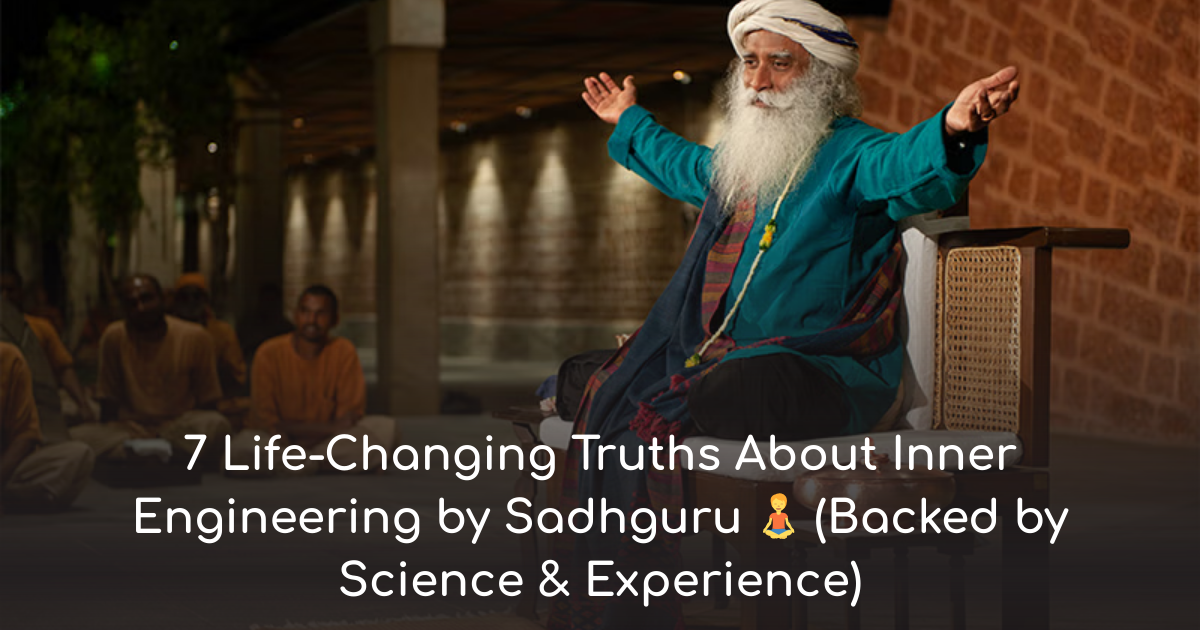
🙏 Introduction: A Journey Within Begins Here Have you ever felt like something is missing, despite having everything? 🌌 That inner restlessness, the search for peace, or simply wanting more clarity in life — it’s not just you. Many of us are looking for deeper answers. Enter Inner Engineering by Sadhguru — a transformative program that blends ancient yogic wisdom with modern...
Explore the magnetic charm of Kasar Devi – a spiritual and scientific marvel nestled in Uttarakhand’s serene hills. Kasar Devi: 7 Fascinating Truths About This Powerful Spiritual Magnet in Uttarakhand Tucked away in the tranquil hills of Uttarakhand lies a hidden gem that has drawn sages, scientists, and seekers for centuries – Kasar Devi. Known for its inexplicable...
