


vedic ayurveda the divine blueprint for holistic living
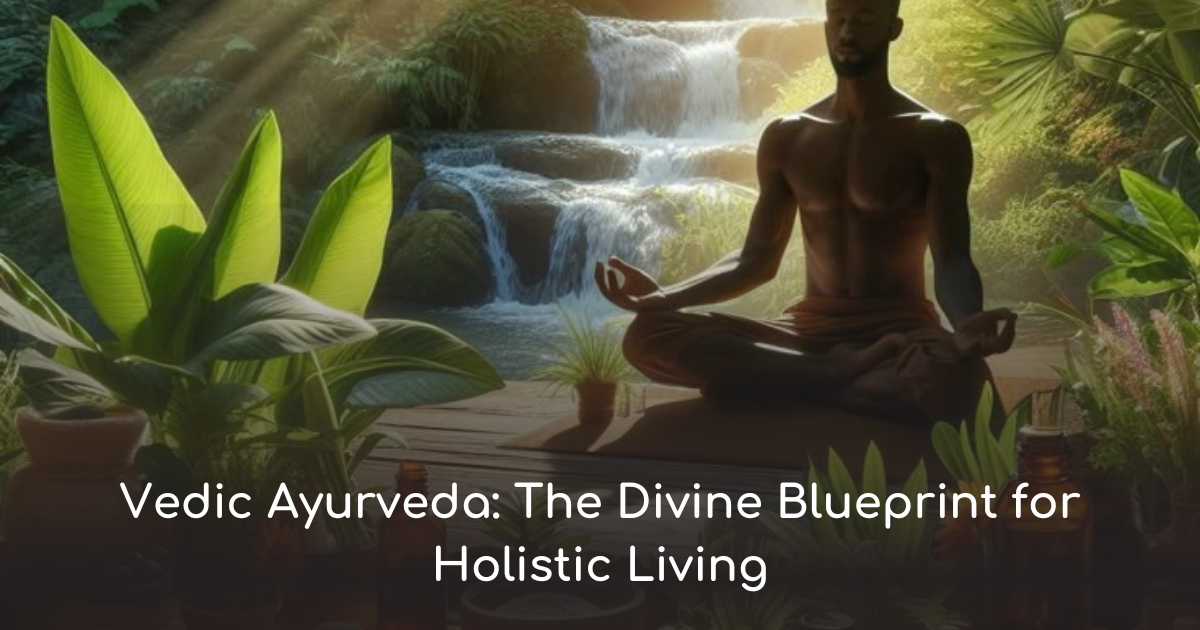
The Divine Origins of Ayurveda in Sanatan Dharma
Let me tell you a story — not just any story, but one whispered by the Rishis in the early mists of creation. When the devas (divine beings) beheld the suffering of mankind — disease, sorrow, imbalance — they did not turn away. Out of infinite compassion, they offered a sacred science, a divine whisper of balance called Ayurveda — the “Science of Life.”
Why the Gods Gave Ayurveda to Humanity
According to the Brahma Samhita, Lord Brahma, the creator, first received the knowledge of Ayurveda through divine intuition. Seeing humanity entangled in physical pain and spiritual forgetfulness, he passed this knowledge to Daksha Prajapati, who then shared it with the celestial healer, Lord Dhanvantari, during the churning of the ocean — Samudra Manthan. Emerging from the depths, holding a pot of amrita (nectar of immortality), Dhanvantari gifted not only longevity but also wisdom on how to preserve it.
Ayurveda in the Four Vedas
Among the Vedas, Ayurveda is most prominent in the Atharvaveda, which is often referred to as the "Veda of magic and medicine." Yet, its threads are woven throughout all four:
Rigveda’s Healing Hymns
In the Rigveda, you find hymns to herbs, rivers, and deities of healing. The hymn to the Ashvins — twin gods of medicine — pleads for healing from poisons and wounds. It speaks of the interplay between the natural world and the body, where even the wind and the sun are invoked for restoring harmony.
Atharvaveda’s Medicinal Insights
This sacred book contains detailed verses about diseases, diagnostics, and remedies using herbs, charms, and spiritual practices. It regards disease as both a physical imbalance and a spiritual disconnect, showcasing an integrated view unknown to modern science.
Sage-Doctors and Seers: The Rishis Who Received This Wisdom
The Legend of Dhanvantari: The Divine Physician
When you say “Dhanvantari,” you’re calling upon the very embodiment of Vaidya Dharma — the dharma of healing. In every temple where Ayurveda is revered, his image reminds us: Healing is a sacred service, not a profession. He came not with prescriptions, but with presence, patience, and prayer.
Agnivesha, Charaka, Sushruta – The Pillars of Vedic Medicine
Like eternal rivers, these sages carried forward Brahma’s wisdom:
-
Agnivesha, the disciple of Punarvasu Atreya, compiled the foundational Agnivesha Samhita.
-
Charaka, centuries later, edited and expanded this into the Charaka Samhita — emphasizing inner balance, mental clarity, and longevity.
-
Sushruta, father of surgery, revealed the Sushruta Samhita, where precision met devotion — surgery wasn’t just about the body but restoring sacred geometry.
Ayurvedic Teachings in the Upanishads
Body, Mind, and Atman in the Chandogya and Brihadaranyaka Upanishads
The Chandogya Upanishad speaks of food transforming into the mind, and mind transforming into consciousness. What you eat is not just nutrition — it's a portal to awareness.
In the Brihadaranyaka, we’re told: “The body is mortal, but within it dwells the immortal Atman.” Ayurveda, drawn from this truth, doesn’t just aim to treat illness — it seeks to realign you with your true Self.
The Five Koshas and Their Healing Relevance
Ayurveda recognizes the five sheaths (koshas) of human existence:
-
Annamaya Kosha – the physical body
-
Pranamaya Kosha – the vital breath
-
Manomaya Kosha – the mental body
-
Vijnanamaya Kosha – the wisdom sheath
-
Anandamaya Kosha – the bliss sheath
True healing addresses all five.
Story of King Janaka’s Enlightenment Through Breath
Once, King Janaka sat with the sage Yajnavalkya, asking, “What is the Self?” The sage guided him through breath awareness (pranayama), which calmed the king’s mind and revealed his inner light. This is Ayurveda’s core: purification leads to realization.
Panchamahabhutas – The Five Great Elements of Creation and Cure
Earth, Water, Fire, Air, and Ether in Healing
Just as the cosmos was created from the Pancha Mahabhutas, so too were we. These five elements form the building blocks of life:
-
Prithvi (Earth): Bones, flesh, firmness
-
Apas (Water): Blood, saliva, cohesion
-
Tejas (Fire): Digestion, metabolism
-
Vayu (Air): Breath, movement
-
Akasha (Ether): Space, consciousness
Their Representation in Human Physiology
Each dhatu (tissue), organ, and system is governed by a blend of these forces. Ayurvedic treatments aim to restore the elemental harmony — when the fire burns too high, we cool it; when water is stagnant, we stir it.
The Tridoshas – Vata, Pitta, and Kapha: Forces Within You
How Doshas Govern Your Body, Mind, and Soul
-
Vata (Air + Ether): Creativity, movement, but also anxiety
-
Pitta (Fire + Water): Intellect, digestion, but also anger
-
Kapha (Earth + Water): Stability, compassion, but also lethargy
Signs of Balance and Imbalance
When doshas are balanced, we thrive. When they stray, we suffer. Ayurveda isn’t about pills, but awareness — listening to your inner winds and realigning with nature.
Ayurveda and Karma: Healing Beyond the Physical
Past Actions, Present Diseases
Your body reflects your karma — not as punishment, but as a divine curriculum. Ayurveda helps you pass this test by purifying your diet, thoughts, actions.
How Dharma and Lifestyle Purify the Being
Following Dharma — eating sattvic food, sleeping in alignment with the sun, serving selflessly — these are not restrictions but soul-reminders.
Dinacharya and Ritucharya: Living in Harmony with Time
Imagine waking with the sun, hearing birdsong as your first mantra, sipping warm herbal water before bathing in sacred oils — this is Dinacharya, the divine daily routine prescribed by the Rishis.
Your Daily Routine as a Divine Ritual
Dinacharya aligns your microcosm with the macrocosm. Here’s how:
-
Brahma Muhurta (before sunrise): Best time for meditation and breathwork.
-
Abhyanga (self-oiling): Nourishes skin, balances doshas, and calms the mind.
-
Proper bowel movements: Detoxifies and resets the system.
-
Sattvic breakfast: Fuels the day without clouding the senses.
This isn’t about habits — it’s about rituals that honor the body as a temple.
Seasonal Shifts and Soul Alignment
Ritucharya teaches us to adapt with the seasons. As the Earth moves, so must we — in our food, behavior, and meditation.
-
Spring (Kapha Season): Detox, light grains, and bitter greens.
-
Summer (Pitta Season): Cooling herbs, fruits, and rest.
-
Autumn/Winter (Vata Season): Warm soups, oils, and grounding practices.
Live like nature, and you’ll never feel out of balance.
Ayurveda as a Spiritual Sadhana (Practice)
Eating as Yagna
Every meal can be a Yagna (sacred offering). Before eating, whisper gratitude — “Brahmarpanam…” Offer your food to the divine within.
-
Chew slowly.
-
Eat in silence.
-
Digest with grace.
Herbs as Divine Prasad
Tulsi is not just a plant — she is Devi Herself. Neem is Shiva’s discipline. Turmeric is Lakshmi’s golden touch. Herbs aren’t commodities; they’re conscious allies.
Healing as Returning to One’s Dharma
Ayurveda isn’t about chasing health. It’s about remembering who you are. When you eat, sleep, think, and act in alignment, your body heals because your soul rejoices.
The Bhagavad Gita and Ayurvedic Alignment
Sattva, Rajas, Tamas and Their Role in Disease and Wellness
In Bhagavad Gita, Krishna speaks of the three Gunas:
-
Sattva: Clarity, peace, light — healing state.
-
Rajas: Activity, desire — can overheat mind/body.
-
Tamas: Inertia, ignorance — the root of decay.
Ayurveda teaches us to increase Sattva through food (fresh, light), speech (truthful), and habits (disciplined).
Vedic Stories that Teach Healing Wisdom
When Rama Cured Lakshmana
During the war in Lanka, Lakshmana fell unconscious. Rama wept not as a warrior, but as a brother. Hanuman flew for Sanjeevani Booti, the divine herb. This tale reminds us that divine grace and sacred herbs can conquer death itself.
Hanuman’s Journey for Sanjeevani
Hanuman couldn’t identify the herb, so he lifted the entire mountain! This tells us — faith moves mountains, and when knowledge fails, devotion prevails.
Why Modern Science is Now Turning to Vedic Wisdom
Evidence-Based Ayurveda
Studies now prove turmeric’s anti-inflammatory properties, Ashwagandha’s stress-relief powers, and Triphala’s gut-cleansing ability. Science is catching up with the Vedas, finally measuring what the Rishis intuited.
Quantum Healing and Consciousness
Ayurveda’s principle — “You are not your body; you are consciousness” — resonates with quantum physics. Healing is not chemical; it is conscious transformation.
Practicing Ayurveda Today with Reverence
Returning to Grandmother’s Remedies
Remember the warm haldi doodh (turmeric milk) your dadi made? Or the ajwain rubbed on your belly? These are folk medicines rooted in Veda.
-
Keep ghee, ginger, tulsi in your home.
-
Fast occasionally.
-
Meditate daily.
Sacred Eating, Sacred Living
Don’t scroll while you eat. Don’t rush your mornings. Life is a sacred song, and Ayurveda helps you tune your instrument.
The Role of the Healer in Sanatan Dharma
The Ayurvedic Vaidya as a Sage, Not Just a Doctor
In ancient Bharat, a Vaidya was trained not just in herbs but in spiritual ethics, dharma, and inner purity. Before touching a patient, he would meditate and invoke the divine.
You too, dear reader, can become your own Vaidya — tuning into your intuition and honoring your body with reverence.
Challenges and Corruption of Ayurvedic Knowledge
How to Distinguish True Wisdom from Market Myths
Today, Ayurveda is often reduced to “weight-loss teas” and “beauty pills.” But real Ayurveda is deep, spiritual, and patient.
-
Beware of gimmicks.
-
Read original scriptures like Charaka Samhita.
-
Find teachers rooted in Sanatan Dharma, not commercialization.
FAQ – Enlightened Questions on Vedic Ayurveda
1. What is the oldest Ayurvedic scripture?
The Charaka Samhita, derived from the Agnivesha Tantra, is one of the oldest and most authoritative texts.
2. Did Ayurveda originate in the Vedas?
Yes, primarily the Atharvaveda, with references also found in the Rigveda, Yajurveda, and Samaveda.
3. How do Upanishads view the body and soul?
The Upanishads see the body as the vehicle and the soul (Atman) as the eternal rider. Healing the body aids spiritual realization.
4. Are Ayurvedic principles still applicable today?
Absolutely. Ayurveda is timeless because it’s based on natural laws and eternal truths.
5. How does Ayurveda connect to Dharma?
Health enables one to perform Dharma. Illness obstructs it. Thus, healing is a sacred responsibility.
6. What’s the role of karma in Ayurvedic healing?
Diseases may arise from past actions, but awareness and dharmic living can transform karma into liberation.
Conclusion: You Are the Temple – Keep It Holy
Beloved soul, your body is not mere flesh and blood. It is the chariot of the Divine, the residence of your Atman. To honor it with Ayurveda is not just health — it is worship.
Remember: You are born in a land of Rishis and rivers, herbs and hymns. To live Ayurvedically is to walk with sages, eat with gratitude, breathe with awareness, and sleep in peace.
May you rise in health, walk in wisdom, and shine with the eternal light of Sanatan Dharma.

Categories
Read More
Discover the history, festivals, and spiritual power of Meenakshi Temple in Madurai – a true symbol of India’s divine feminine energy. Meenakshi Temple: A Divine Marvel of Madurai’s Spiritual Heritage Unraveling the history and architecture of one of India’s most majestic temples Introduction Located in the cultural capital of Tamil Nadu, the Meenakshi Temple is one of...

OM is the sacred sound of the universe. Discover its meaning, spiritual power, chanting benefits, and its role in yoga, meditation, and Sanatan Dharma. 🌟 OM – The Eternal Sound of the Universe There is a sound older than time, deeper than words, and purer than silence. That sound is OM (ॐ) — the cosmic vibration that echoes through every atom, soul, and breath. It is not merely a...

Discover the spiritual power of Kashi Vishwanath Temple—the eternal city of light and liberation. Learn its history, rituals, legends, and how to plan your pilgrimage. Kashi Vishwanath: The Eternal City of Light and Liberation Kashi Vishwanath—the name alone evokes a sense of eternal divinity, boundless light, and cosmic liberation. Known as the spiritual nucleus of Sanatan...

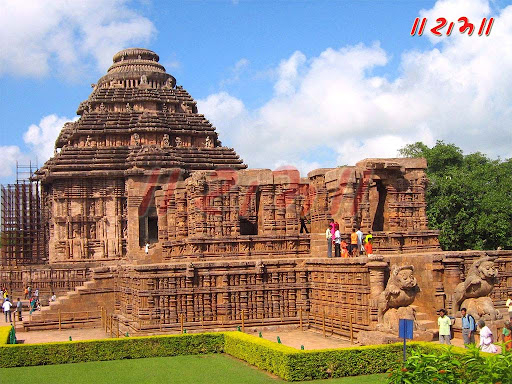
Discover the divine beauty of Konark Sun Temple—history, myths, architecture & festivals. A must-visit gem of Odisha’s spiritual heritage. Konark Sun Temple: Divine Light of Indian Heritage The Konark Sun Temple is more than just a marvel of stone and art—it's a cosmic calendar, a chariot of the Sun God, and a symbol of India’s spiritual wisdom carved in granite....
Osho reveals 21 shocking truths about the spiritual rebel's life, teachings, controversies, and legacy. Discover what made him loved, hated, and unforgettable. Osho: The Spiritual Rebel Who Shook the World Osho – the name alone evokes curiosity, controversy, and charisma. Whether you admire him or criticize him, there's no denying the massive influence Osho had on spiritual thought in...
